1. Safety check
Before sorting begins, the crew checks for hazards such as sharp objects, pests, mold and unstable piles. Protective gear is chosen to match.
Kaunakakai, HI · Maui County
A crowded home in Kaunakakai can feel impossible to tackle, but it can be done in small, steady steps. Call (877) 812-4220 to get hoarder cleanup with sorting, removal and deep cleaning.
If anyone is in danger, call 911 first. For a suicide crisis, call or text 988.
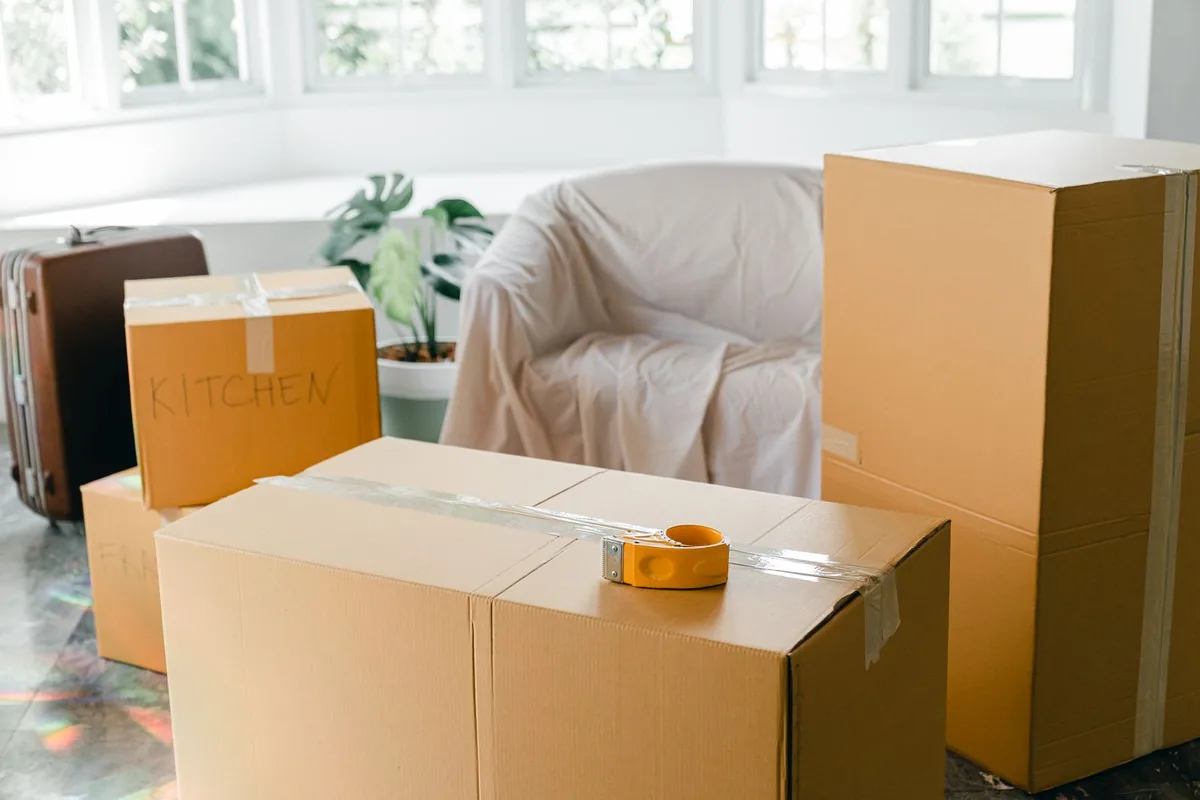
Hoarding cleanup is a safety service first. Blocked exits, fire hazards, pests, mold and unsanitary spots are addressed in order, and the home does not need to look perfect to be much safer.
Landlords, relatives and residents across Maui County can get hoarder clean up in Kaunakakai that works toward a deadline. You see the plan once the team has seen the home. Call Kaunakakai Biohazard Cleanup Help to set up a visit.
About 64% of homes in Kaunakakai were built before 1980, and older wiring, narrow halls and small closets make a crowded house more of a fire risk. About 34% of households in Maui County rent. Whether the home is owned or rented, the cleanup team works with the resident first.
The work often covers:
Before sorting begins, the crew checks for hazards such as sharp objects, pests, mold and unstable piles. Protective gear is chosen to match.
Where possible, the crew meets the resident before work starts. A calm introduction sets the tone for the visit.
The team works from the highest-risk areas outward. Each cleared space is cleaned before moving on.
Each room is cleaned and disinfected once it is clear. Kitchens and bathrooms get the closest attention.
Hoarding cleanup in Kaunakakai, HI typically costs $500 to $25,000, depending on the size of the affected area and the materials involved.
Hoarding cleaning prices change with the level of buildup. Lighter jobs are mostly sorting and hauling, while heavier ones may add pest damage, mold, ruined flooring or waste that needs special handling.
| Type of job | Typical range |
|---|---|
| Level 3 | $2,000 - $5,000 |
| Level 4 | $5,000 - $15,000 |
| Level 2 | $1,000 - $3,000 |
| Level 5, severe | $10,000 - $25,000+ |
Estimates only, not a quote. Sources: Dropcurb, Lifecycle Transitions. Price drivers include level of accumulation, home size, whether exits and rooms are blocked, pests or animal waste. Call (877) 812-4220 to talk through the job.
A lightly crowded room with a willing resident can be a do-it-yourself project with gloves, a mask and a helper. Beyond that, hidden hazards, heavy items and the emotional strain make a team the safer choice.
Not always, but it often helps. When the resident is present, sorting goes more smoothly and decisions are respected. If the resident cannot attend, the family or caller can set clear rules about what is kept.
Usable items go to donation or recycling where possible. Spoiled, damaged or unsafe items are disposed of correctly, and waste that may carry germs is handled as regulated medical waste.
Avoid calling their belongings trash, saying the home is disgusting or telling them to just throw things out. Never move items without asking. Ask what matters most to them, listen, and offer to help at their pace.
Most often the resident or the property owner pays, and family members sometimes share the cost. In a rental, the lease and local law decide between landlord and tenant. Some local aging services or housing agencies help in some places, so it is worth asking.
Yes. The resident decides what stays, what is donated and what is removed. Valuables, documents, photos and medicine are set aside first, and nothing leaves the home without agreement.
Residents, relatives and landlords are all welcome to call.
Call (877) 812-4220